Call (919) 891-3392 for equipment planning

Durham lift equipment optionsWork height, load, ground & access

Call (919) 891-3392

Local equipment guide

About Durham Scissor Lift Rentals

Durham Scissor Lift Rentals is an equipment-information website for contractors, facility teams, and project planners working in and around Durham.

About

The site is designed to make the equipment conversation more specific before a call: describe the task, the route, the surface, and the people or material involved rather than guessing a machine by name.

Start with the work, not a model number

Work in Durham can move between interior maintenance, commercial projects, outdoor construction, warehouse access, and material handling. A useful request identifies the work height, the practical machine position, the route into the area, and the surface under the machine.

What the equipment guides cover

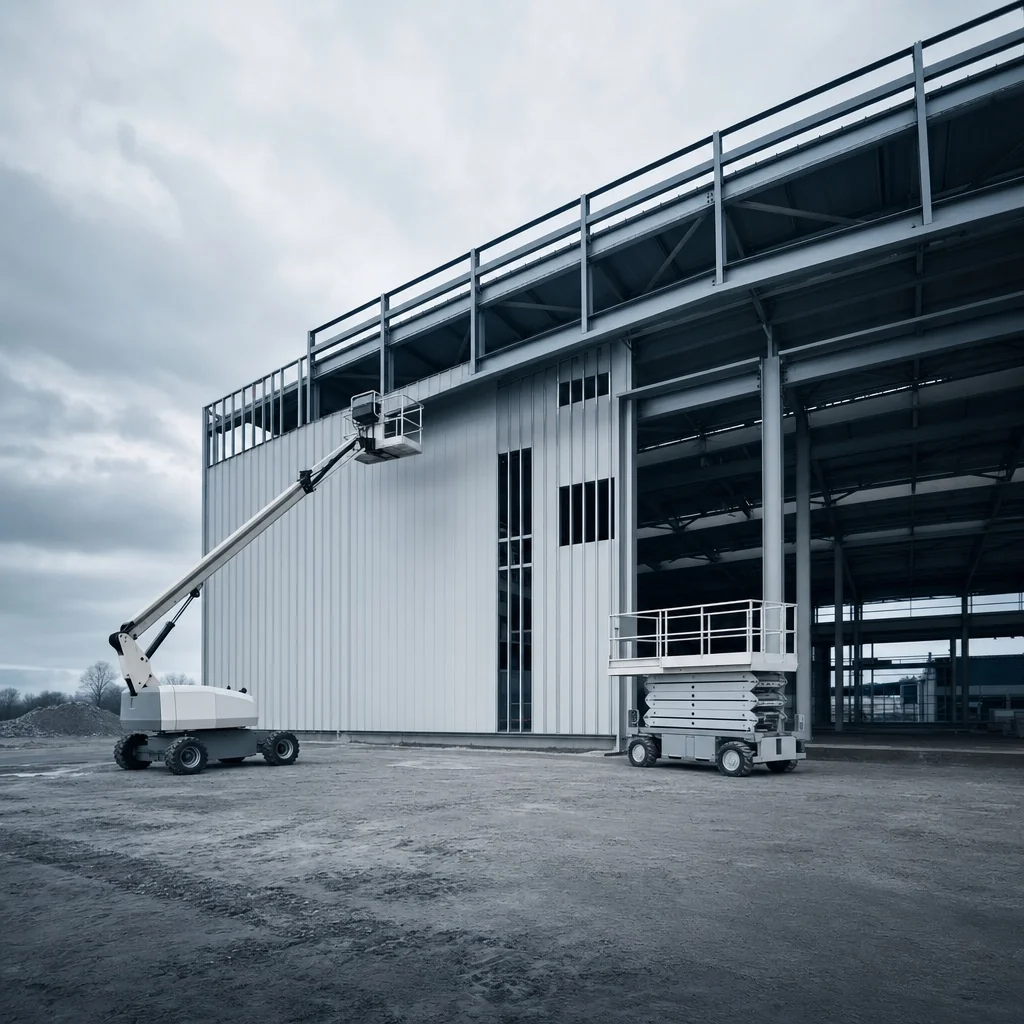
The guides compare the job geometry behind scissor lifts, boom lifts, telehandlers, forklifts, vertical mast lifts, and selected site-product categories. A scissor lift is a vertical-access starting point when the platform can sit below the task. A boom becomes more relevant when the task is offset or obstructed. Material placement calls for a separate load-and-route discussion.

Keep the planning details together

Before calling, collect the job address, task height, route dimensions, floor or ground description, and expected platform or load requirements. For exterior work, include any weather-sensitive part of the plan. Actual conditions, the selected unit’s instructions, and site procedures govern how work proceeds.

Equipment questions

Questions about Durham planning

What is the purpose of the Durham equipment guide?

It helps visitors describe the access or material-handling problem before comparing equipment categories.

Does the site promise a specific machine or schedule?

No. Equipment fit, timing, and the selected unit depend on the actual request and work conditions.

What makes an equipment request more useful?

The task height, route, surface, task position, and people, tools, or materials involved are the most useful starting details.