Decide by reach and stand-off
Measure the horizontal distance from the machine’s likely parking spot to the work. Straight booms excel when the line of sight isn’t blocked by overhangs or pipe runs. If obstructions force an up-and-over path, an articulating boom can be more effective.
Ground and weather realities in Durham
Exterior projects around industrial sites and distribution buildings often cross mixed surfaces: asphalt, gravel, and clay. After rain, soft spots and ruts can appear. Rough-terrain packages help, but the unit’s instructions and site procedures govern whether work proceeds under current conditions.
Power and tire selection
- Engine-driven straight booms: common for exterior construction where long outreach and travel speed between set-ups matter.
- Electric or hybrid straight booms: fit large indoor bays or covered areas where emissions and noise are restricted. Non-marking tires reduce transfer on finished slabs.
Approach path and set-up room
Long booms need swing clearance. Confirm: - Turning radius at gates and between buildings - Tail swing space near the parking spot - Slope changes along the approach, especially at drainage swales
Durham facility considerations
Many local interiors house sensitive equipment. If the task is inside a controlled space, validate floor loading and overhead clearance. In those cases, compact vertical mast lifts or electric scissor lifts may fit better than a straight boom.
When to switch categories
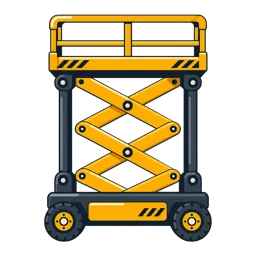
- Need pure vertical lift under the work: see aerial lifts and electric scissor lifts.
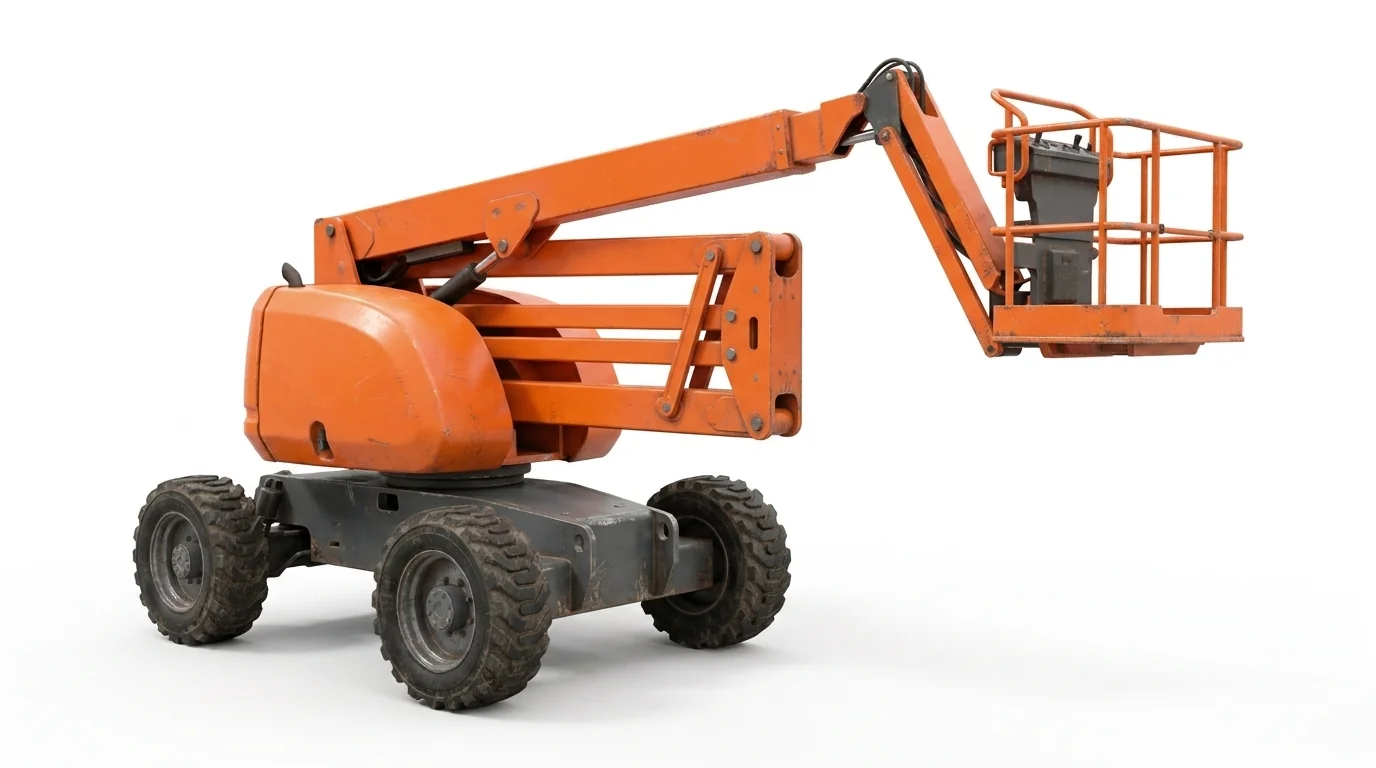
- Need reach over an obstacle: see articulating booms.
Quick planning checklist
- Horizontal reach to the task and required platform height
- Indoor vs. outdoor emissions/noise limits
- Surface condition and firmness after rain
- Swing and set-up space near the work
- Platform capacity for tools and materials