Confirm the work geometry first
These machines excel when the base can sit directly under or close to the task. Measure platform height needs and any minor outreach requirements. If you must reach up and over conveyors or ducts, an articulating boom or electric scissor lift may be better.
Why Durham facilities point to compact electrics
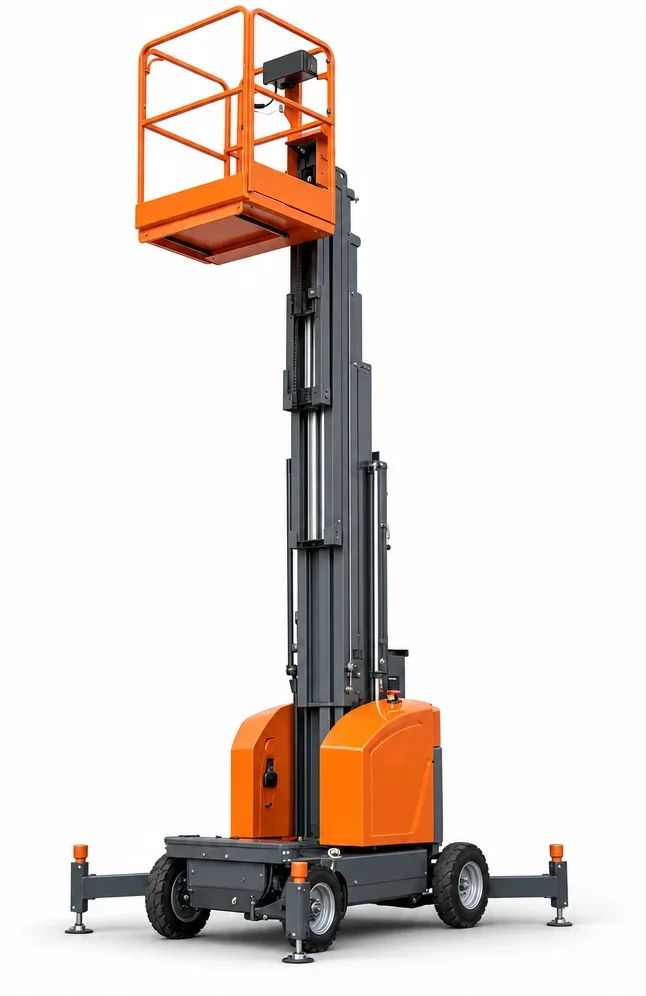
Controlled interiors around the city often restrict emissions and noise. Electric mast lifts with non-marking tires reduce floor transfer and fit narrow corridors, lab doors, and mechanical rooms. Their lighter weight can help with floor loading on mezzanines compared to larger platforms.
Access path realities
- Doorway and corridor widths, including hardware clearances
- Elevator car dimensions and rated capacity if moving between floors
- Floor surface transitions at thresholds and expansion joints
Platform capacity and attachments
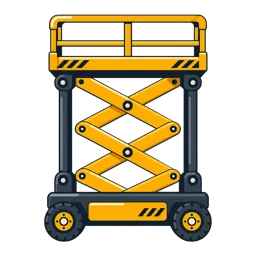
Plan for the weight of personnel, tools, and small parts. If heavier gear or multiple workers are required, a scissor lift might provide more deck space while remaining suitable for indoor use.
Exterior and mixed-use notes
Vertical mast lifts are primarily indoor tools. For exterior work on uneven or damp clay soils, stability requirements and the unit’s instructions govern suitability. Outdoor jobs with elevation typically suit telescopic or articulating booms.
Quick planning checklist
- Required platform height and any small outreach needs
- Door, aisle, and elevator dimensions
- Floor load rating in the work area
- Emissions, noise, and floor marking limits
- Tool weight and platform capacity