Start with the load and access pattern
- What goes inside: palletized materials, sensitive instruments, or mixed site supplies each point to different floor conditions and venting needs.
- Access frequency: daily pulls favor double doors and interior lighting; infrequent access may use single doors to save space.
- Handling method: forklifts, pallet jacks, or manual handling determine threshold height and the need for level placement with clear apron space. See forklift and telehandler paths if lifting is required.
Surface conditions in Durham
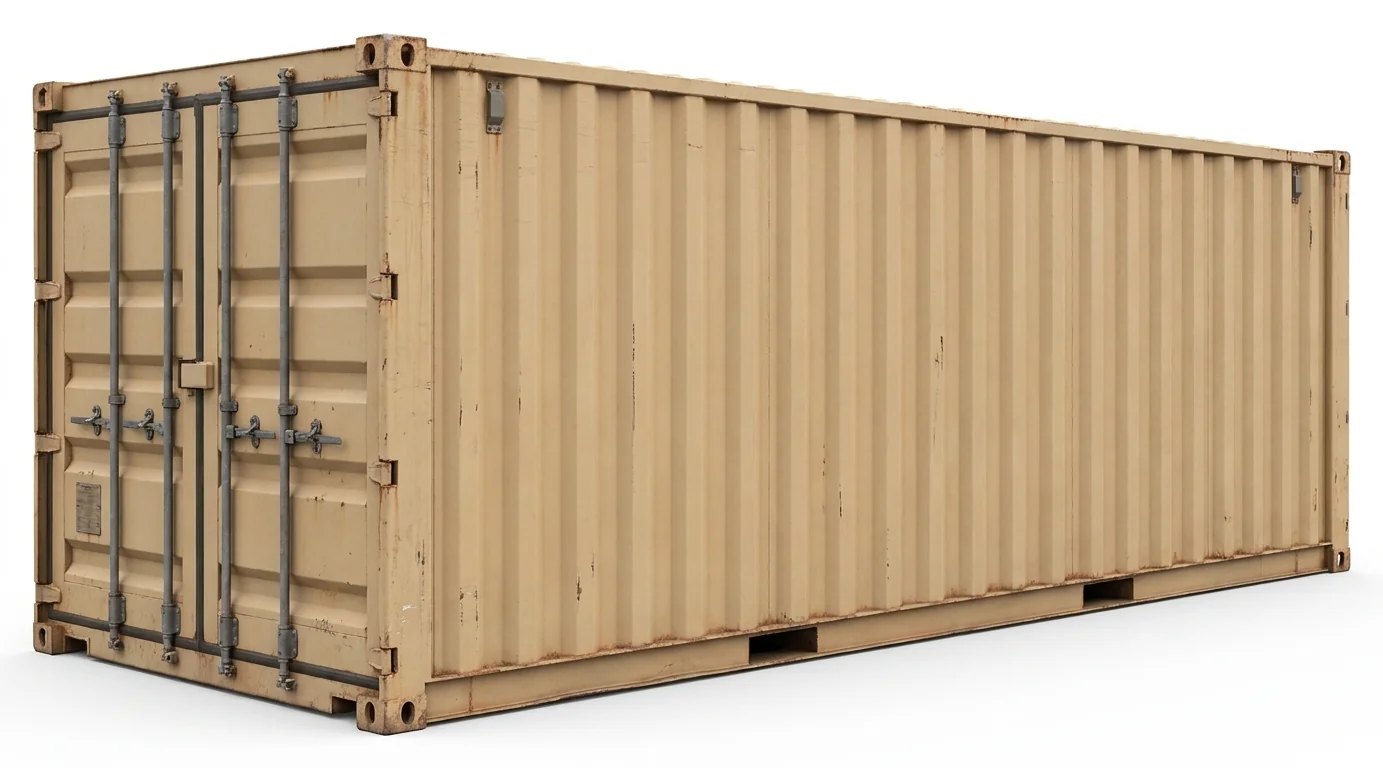
Clay-heavy soils can rut when wet and harden unevenly when dry. Containers concentrate weight on corner castings; soft ground can lead to twist and sticky doors. Where yards are not paved, consider how the surface will behave after storms and whether the container can be staged on a stable base per site standards. For interior or courtyard placements, check floor loading limits and turning room.
Moisture, ventilation, and interior condition
The regional climate adds humidity to stored goods. For sensitive contents near labs or climate-controlled work, evaluate venting, desiccant plans, and the time goods remain inside. LED puck lights or low-profile fixtures improve visibility where power is available from on-site distribution or a planned generator.
Size, placement, and route
- Size: common footprints must clear the narrowest gate, drive, or corridor on the approach.
- Placement: confirm swing room for doors and any overhead conflicts like canopies or tree limbs.
- Security and adjacency: temporary fencing can separate the storage area from active walkways; see temporary fencing.
Indoor-adjacent and sensitive areas
Near research facilities or occupied buildings, limiting noise and emissions during placement is often a priority. Coordinate delivery timing, route protection for non-marking surfaces, and staging that avoids HVAC intakes.
Related access
If goods stored support elevated work, align container location with the working edge for electric scissor lifts or vertical mast lifts to reduce travel distance.