Start with the geometry: can the machine sit below the task?
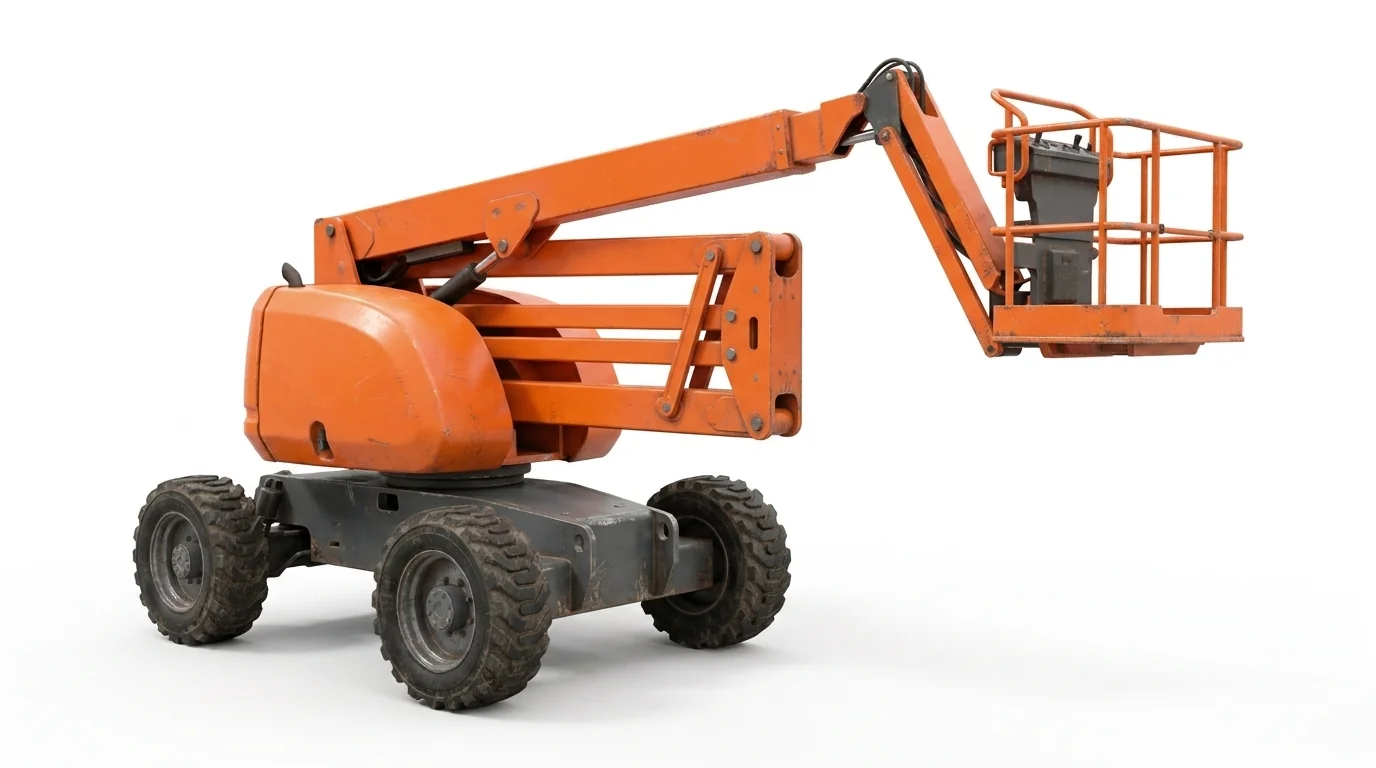
Articulating booms are chosen when the base must sit back from the work. Measure the horizontal stand-off to clear obstacles, the height you need to reach, and the setback needed for swing. In labs and production rooms common around Durham’s research facilities, narrow platforms and compact chassis help thread through corridors and equipment clusters.
- Map the obstacle you must reach over (ducts, mezzanines, pipe racks).
- Note platform capacity needs for parts and tools.
- Check the allowable tail swing and overhead clearance at the approach path.
Durham conditions that change the choice
The regional climate brings frequent summer moisture, and local clay soils can soften and rut. For exterior service yards or plant perimeters, look toward rough-terrain capability and appropriate tires. For clean interiors, low-emission electric power and non-marking tires help protect sensitive environments and finished floors.
Power source and tires
- Electric articulating booms: suited to indoor maintenance and controlled environments where exhaust and noise are concerns. Non-marking tires minimize floor transfer and scuffs.
- Engine-driven articulating booms: better for exterior utility work and building envelopes where charging access is limited. Rough-terrain packages help with damp, uneven ground common after rain.
Width, weight, and floor loading
Durham’s advanced facilities often have rated floors and thresholds that impose limits. Verify door widths, corridor turns, and slab load capacities. Compact electric articulating units reduce footprint and point loading for mezzanines, mechanical rooms, and processing areas.
When a different lift fits better
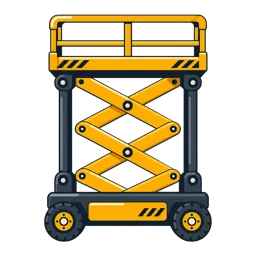
If the task is straight out and up with no obstructions, a telescopic boom may provide faster horizontal reach. For strictly vertical indoor access with tight aisles, consider vertical mast lifts or electric scissor lifts.
Weather windows and site procedures
Exterior work heights are constrained by actual site conditions. Wind exposure, ground firmness, and the unit’s instructions govern what’s suitable on a given day in Durham’s variable weather.
Quick planning checklist
- Required up-and-over height and horizontal offset
- Indoor vs. outdoor air quality and noise limits
- Surface: slab, asphalt, or clay-based soils that may soften when wet
- Access path width, slope, and turning radius
- Platform capacity for tools and materials
See broader aerial categories at boom lifts and aerial lift options.