Begin with the load and the aisle
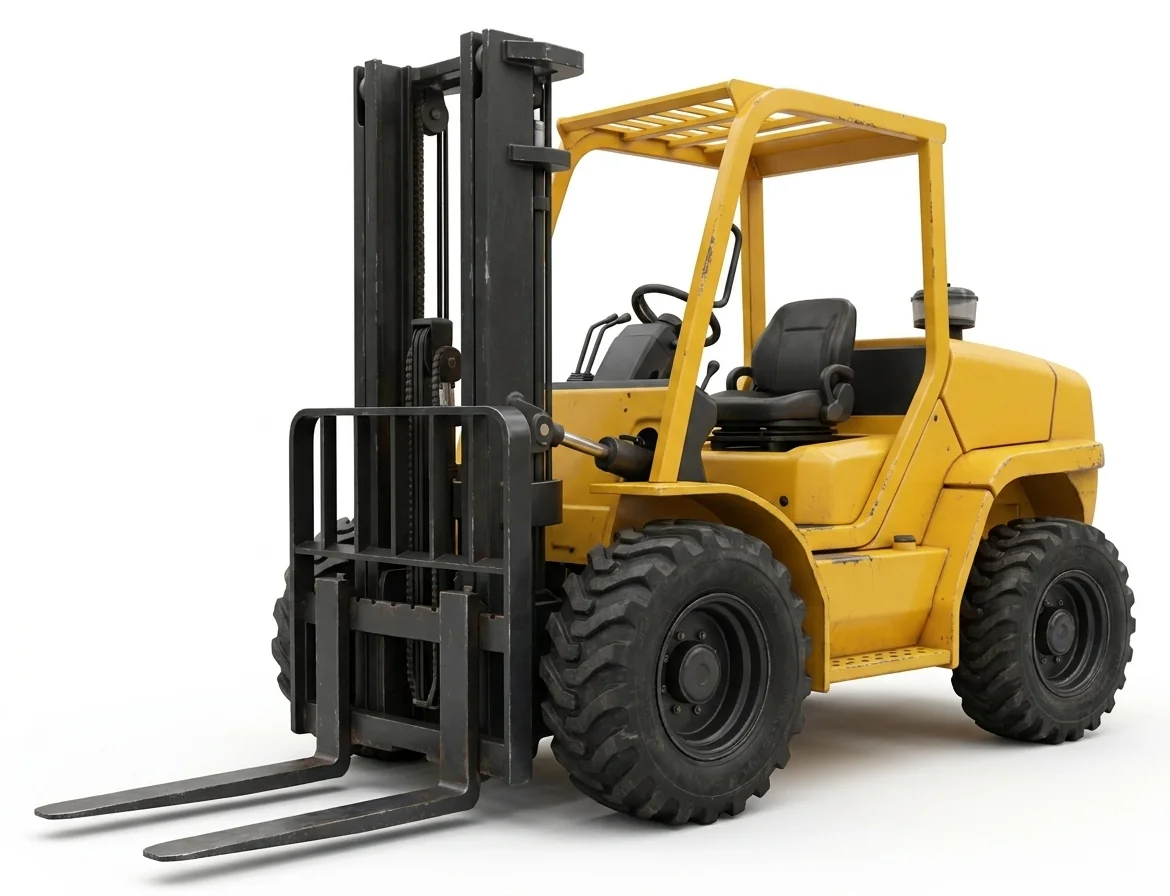
Confirm the heaviest pallet or component, typical pallet dimensions, and rack elevations. Then measure aisle widths and turning space. Tight indoor aisles lean toward cushion tire or electric units; wider, mixed-surface aisles may call for pneumatic tires.
Floors, thresholds, and Durham conditions
Many regional interiors have finished slabs or coated floors. Non-marking tires and electric power reduce transfer and exhaust. For exterior yards on clay subgrades, expect softness after rain; pneumatic or rough-surface capability helps when crossing uneven patches between docks and staging areas.
Power choice
- Electric: best for clean, enclosed, or noise-sensitive spaces. Battery run time and charging access should match shift patterns.
- Internal combustion: suited to loading yards and mixed indoor-outdoor work when ventilation and noise allowances permit.
Mast and clearance
Low-overhead doors, mezzanines, and pipe runs affect mast selection. Free-lift and triplex masts help in spaces with limited headroom while still reaching upper rack levels. Check dock height transitions, dock plates, and ramp slopes along the route.
When another tool is better
- Need to place loads at height across uneven ground: see telehandlers.
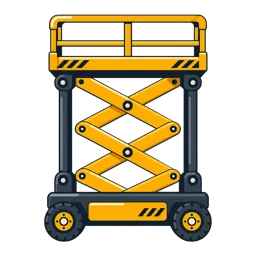
- Need to lift people for installation or maintenance: see aerial lifts.
Quick planning checklist
- Heaviest load and center of gravity
- Rack height and minimum aisle width
- Floor type and marking sensitivity
- Indoor air quality and noise limits
- Dock approach slopes and threshold heights