Start with job geometry
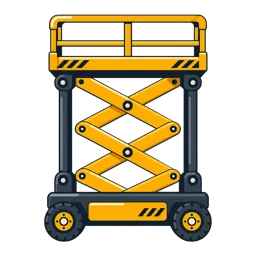
- Straight-up work in narrow aisles: vertical mast lifts and electric scissor lifts fit tight interiors.
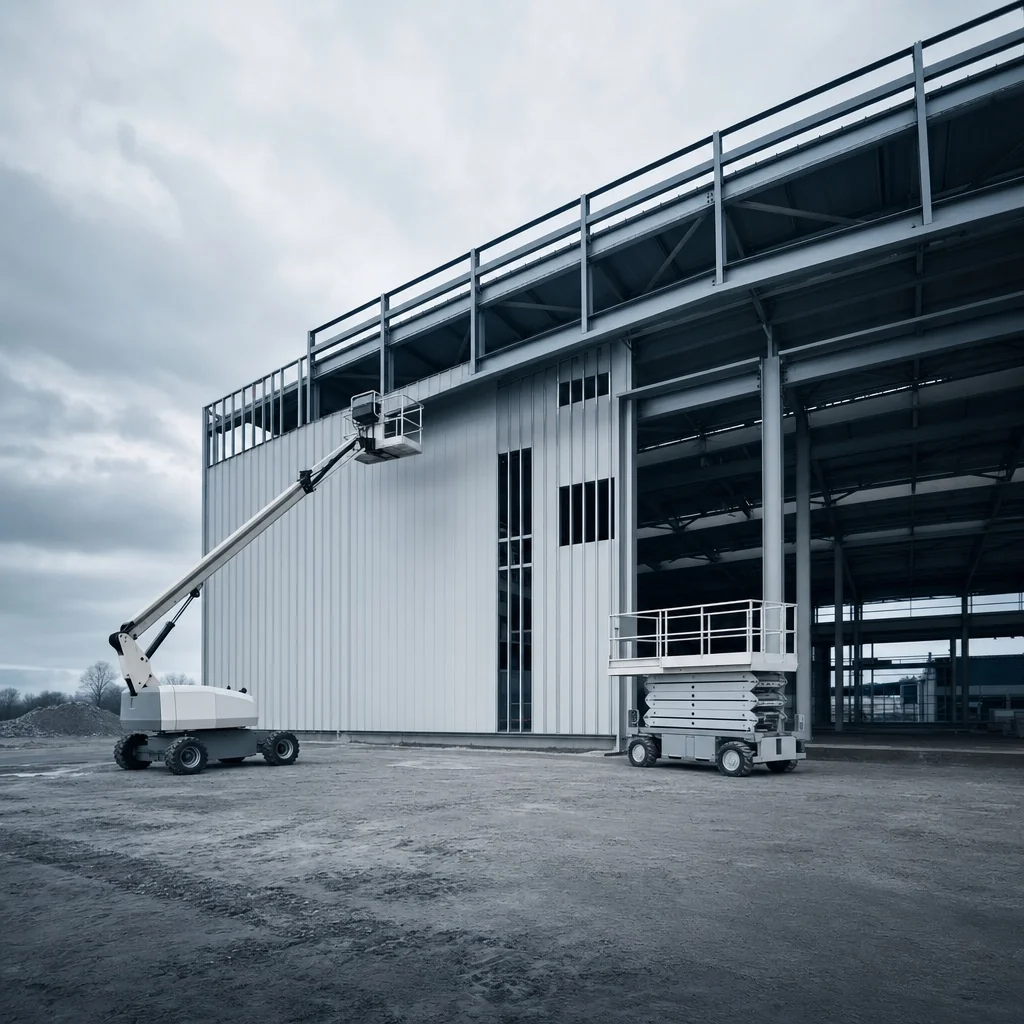
- Wide platforms for straight vertical tasks: scissor lifts, with rough-terrain scissors outside on uneven surfaces.
- Up-and-over around ducts or piping: articulating boom lifts.
- Long, direct outreach at height: telescopic boom lifts.
Surface and route in Durham
Clay-heavy soils can be firm one day and soft the next after rain. For exterior tasks, rough-terrain tires and wider wheelbases manage ruts and grades, subject to unit instructions and site procedures. Indoors, non-marking tires and compact turning help in finished corridors and lab-adjacent spaces. Measure the narrowest doorway, slope on ramps, and any overhead pinch points.
Power source and emissions
Indoor maintenance often favors electric drives for low emissions and quiet operation. Where indoor lifts share circuits with tools or temporary power, align charging with generators and light towers. For exterior construction, diesel units pair with telehandlers and forklifts for material moves.
Task position and staging
- Can the machine sit directly below the work? Scissors and mast lifts excel.
- Must it reach over obstacles or sensitive equipment? Consider articulating booms.
- Is the task far from staging due to fencing or active walkways? Plan travel paths through temporary fencing and barricades.
Weather and continuity in a humid climate
Frequent precipitation affects traction, slope, and set-up windows. Exterior elevation work should align with site wind thresholds and the selected unit’s limits. Interior projects continue during storms, but loading docks and transitions can still be slick.
Site products that support access
- Storage containers for parts and tools near the work face
- Temporary fencing and barricades to separate pedestrians from lift paths
- Generators and light towers for power and safe illumination